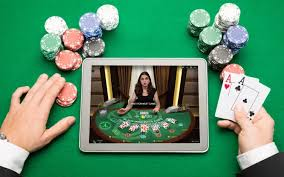
Online blackjack menus often place several similar-looking tables side by side. Names and images may offer few clues about differences in rules, features, or playing style. As a result, choosing a suitable table can feel confusing, especially for someone unfamiliar with the available variants.
Understanding the main types makes the selection process much clearer. A simple review of each format can reveal what to expect before a round begins. It can also help players compare online tables and choose one that matches their preferred pace and level of complexity.
Begin With Classic Online Blackjack Tables
Classic blackjack is the easiest reference point for reading an online table menu. Most versions follow the familiar goal of beating the dealer without going over 21. The screen typically displays the cards, action buttons, stake selector, and a clearly marked dealer area.
Before a round, the information icon normally opens the rules, payouts, and permitted actions. It also covers deck count, dealer soft-17 rule, and limits on splitting or doubling. Reviewing these items makes later variants easier to compare with the classic format.
Use American Blackjack for Earlier Dealer Checks
American blackjack starts with one visible dealer card and one hidden card. When the visible card is an ace or a ten-value card, the dealer may check the hidden card for blackjack. This early check can end the round before players place additional doubling or splitting stakes.
While online menus may label the format as American Blackjack, the rules panel provides the clearest confirmation. The main signs are a “dealer peek rule” and a description of how soft 17 is handled. These details explain how the digital table will manage the dealer’s opening hand.
Expect European Blackjack to Delay Dealer Cards
European blackjack usually gives the dealer only one card at the start. The second dealer card arrives after all player decisions, creating the no-hole-card format. This sequence may allow a dealer blackjack to appear after a hand has already doubled or split.
The rules panel should explain what happens to those added stakes. Some tables collect every wager after a dealer blackjack, while others return the extra amounts. That loss rule is the most useful detail for identifying how an online European table works.
Recognize Themed Blackjack Through Its Table Design
Themed blackjack changes the table’s appearance while keeping the game easy to recognize. Custom backgrounds, card designs, sounds, and interface details can create a distinct setting. However, visual changes do not necessarily mean the underlying rules have changed.
A themed game like Vegas Matt Blackjack is an example of online blackjack built around a well-known casino personality. Its graphics create a distinct identity within a larger blackjack menu. The rules panel can show whether its payouts, dealer actions, or optional wagers differ from other versions.
Read Spanish 21 Tables Beyond Their Name
Spanish 21 removes numbered tens while keeping jacks, queens, and kings as ten-value cards. The online table may still resemble classic blackjack, so the deck change is not always visually obvious. Its rules screen should identify the 48-card deck and any special winning hands.
Many versions add flexible doubling, surrender options, or bonus payouts to balance the changed deck. A player total of 21 also commonly beats a dealer total of 21. Make sure to check the complete paytable to distinguish standard features from options offered only in that particular table.
Learn Pontoon Terms Before Selecting the Table
Pontoon uses a familiar aim but changes several common blackjack terms. A hit becomes a “twist,” standing becomes “sticking,” and a natural blackjack is called a “pontoon.” Some online versions reveal both dealer cards only after the player finishes making decisions.
The paytable should show where a five-card hand sits in the winning order. It should also explain whether the dealer wins ties instead of returning the main stake. These two details help distinguish Pontoon from a table that only uses different visual styling.
Choose Multi-Hand Blackjack for Parallel Table Play
Multi-hand blackjack places several playable hands on one digital table. Each position receives separate cards, while every hand plays against the same dealer total. Buttons or highlighted areas indicate which hand currently requires a decision.
The menu may list three, five, or more available hand positions. Every active position requires a separate stake, so the total amount committed can increase quickly. A useful first check is the number of hands selected before the deal button becomes active.
Finding the Right Deal at Online Tables
Online blackjack tables can offer different experiences based on their rules and layouts. Classic, American, and European versions mainly differ in how dealer cards, checks, and added stakes are handled. Themed games, Spanish 21, Pontoon, and multi-hand blackjack introduce visual changes, altered decks, new terms, or several hands at once.
Reading the rules panel and paytable makes these differences easier to understand before a round begins. With that information, players can select a table that suits their preferred pace, complexity, and style of play.