The modern workplace has evolved dramatically over the past decade, and so has professional footwear. Business casual shoes have become the cornerstone of contemporary work attire, bridging the gap between traditional formal shoes and everyday casual sneakers. Whether you’re navigating a hybrid work schedule, attending client meetings, or simply want to look polished without sacrificing comfort, understanding business casual shoes is essential for today’s professionals.
What Are Business Casual Shoes?
Business casual shoes represent a versatile category of footwear that strikes the perfect balance between professional appearance and everyday wearability. Unlike strictly formal dress shoes that require high shine and rigid structure, business casual shoes offer more flexibility in style, material, and comfort features while still maintaining a refined, workplace-appropriate aesthetic. Think of them as the sweet spot where sophistication meets practicality—shoes that look intentional and put-together without the stiffness of traditional corporate footwear.
The beauty of business casual shoes lies in their adaptability. They work seamlessly with chinos, dress pants, blazers, and even well-fitted jeans in more relaxed office environments. This versatility makes them an excellent investment for professionals who need footwear that transitions effortlessly from morning commutes to afternoon presentations and after-work gatherings.
Why Business Casual Shoes Matter in Today’s Workplace
The shift toward business casual dress codes reflects broader changes in workplace culture. Companies increasingly recognize that comfort and personal expression contribute to employee satisfaction and productivity. Business casual shoes embody this philosophy perfectly—they allow professionals to maintain credibility and polish while expressing individual style preferences.
Beyond cultural considerations, practical benefits abound. Quality business casual shoes typically incorporate modern comfort technologies like cushioned insoles, breathable materials, and ergonomic designs that support all-day wear. For professionals who spend hours on their feet or navigate multiple locations throughout the day, this comfort factor isn’t just a luxury—it’s a necessity. Additionally, investing in versatile business casual shoes reduces the need for multiple pairs of specialized footwear, simplifying your wardrobe and saving money in the long run.
Essential Styles of Business Casual Shoes for Men
Loafers and Slip-Ons
Loafers reign supreme in the business casual footwear world for men. These laceless shoes offer unbeatable convenience without compromising style. Penny loafers feature a distinctive strap across the vamp, while tassel loafers add a touch of traditional elegance. Bit loafers, adorned with a metal horsebit, deliver a more contemporary, fashion-forward look. The beauty of loafers lies in their effortless sophistication—they elevate any outfit instantly and work particularly well with tailored trousers, chinos, and even smart jeans.
When selecting loafers, prioritize quality leather or suede construction. Genuine leather develops character over time and molds to your foot shape, providing superior comfort compared to synthetic alternatives. Colors like brown, tan, burgundy, and navy offer maximum versatility, though black loafers lean more formal and work best in conservative office environments.
Derby and Blucher Shoes
Derby shoes feature an open lacing system where the eyelets are stitched on top of the vamp, creating a more relaxed appearance than their Oxford cousins. Bluchers are technically a type of derby with a specific construction detail. Both styles work exceptionally well for business casual settings because they’re slightly less formal than Oxfords yet more polished than sneakers or boat shoes.
These lace-up options provide excellent adjustability, making them ideal for professionals with wider feet or those who appreciate a customized fit. Choose derby shoes in brown, tan, or burgundy leather for maximum versatility. Suede versions add textural interest and work particularly well in spring and summer months.
Monk Strap Shoes
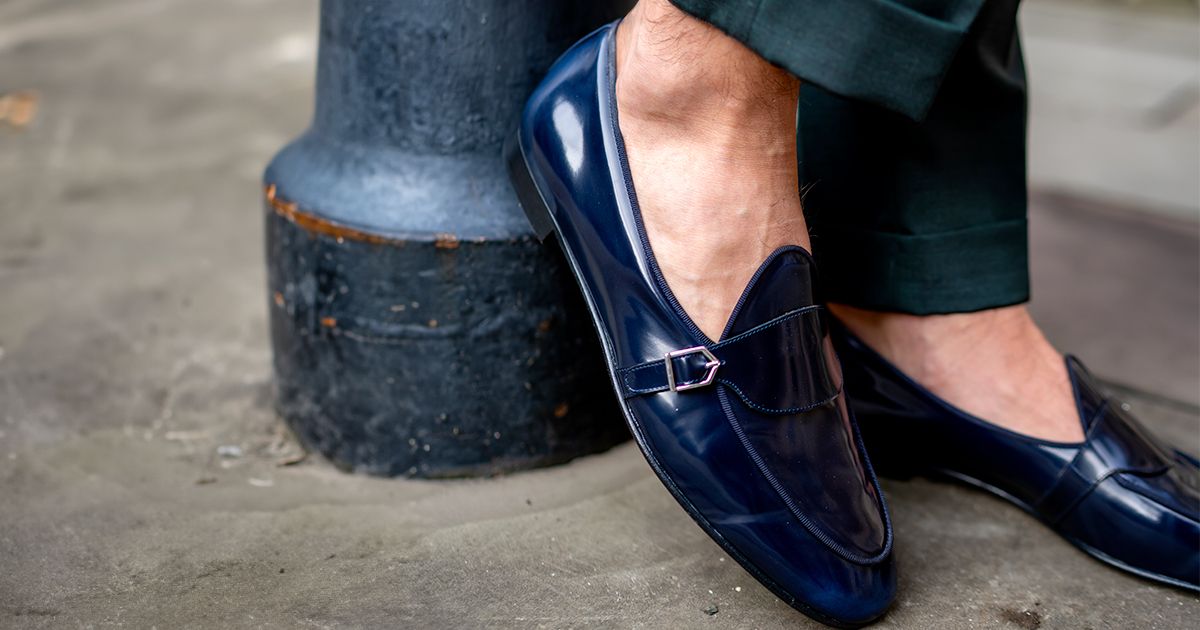
Monk strap shoes make a distinctive statement with their buckle closure system instead of laces. Single monk straps offer understated elegance, while double monk straps deliver bolder visual interest. These shoes occupy an interesting space in the formality spectrum—they’re dressier than loafers but more unique and personality-driven than standard lace-ups.
Monk straps work beautifully in modern business casual environments where individual style is appreciated. They pair exceptionally well with slim-fit trousers, blazers, and even rolled-up jeans for more creative workplaces. The buckle detail adds architectural interest to your overall look, making monk straps an excellent choice for professionals who want their footwear to serve as a conversation starter.
Chelsea Boots
Chelsea boots have Business Casual Shoes experienced a massive resurgence in professional settings, and for good reason. These ankle-high boots feature elastic side panels and a pull-tab at the back, making them incredibly easy to slip on and off. Their sleek silhouette works seamlessly under trousers, creating a streamlined appearance that’s both modern and sophisticated.
The versatility of Chelsea boots cannot be overstated. They transition effortlessly from office environments to evening events, and they work year-round in most climates. Leather Chelsea boots in brown or black tones offer maximum professionalism, while suede versions add a more relaxed, creative edge. For professionals in colder regions, Chelsea boots provide excellent coverage and warmth without the bulk of traditional work boots.
Desert Boots and Chukkas
Desert boots and chukka boots represent the more casual end of business casual footwear. These ankle-high lace-up boots typically feature two or three eyelets and work particularly well in creative industries or casual Friday settings. Originally designed for desert warfare, desert boots have evolved into a style staple that combines rugged practicality with refined aesthetics.
Suede desert boots in sand, tan, or grey tones pair beautifully with chinos and casual button-downs. The softer construction of these boots makes them exceptionally comfortable for all-day wear, though they skew more casual and may not be appropriate for client-facing roles in conservative industries.
Top Business Casual Shoe Styles for Women
Ballet Flats and D’Orsay Flats
Ballet flats remain a cornerstone of women’s business casual footwear, offering unparalleled comfort and feminine elegance. These slip-on shoes work with virtually any business casual outfit, from pencil skirts to tailored pants. D’Orsay flats feature cut-out sides that expose the arch of the foot, creating a more sophisticated and leg-lengthening effect compared to traditional ballet flats.
When shopping for flats, prioritize those with cushioned insoles and adequate arch support. Many modern brands incorporate orthotic-friendly features that prevent the foot fatigue historically associated with flat shoes. Leather flats in neutral colors like black, nude, tan, and navy provide maximum wardrobe versatility, while metallics or prints add personality for more creative work environments.
Loafers and Moccasins
Women’s loafers have evolved far beyond their traditionally masculine roots to become a sophisticated staple of business casual style. Modern interpretations range from sleek leather loafers with minimal hardware to embellished versions featuring buckles, tassels, or metallic accents. These shoes deliver a polished, put-together appearance while offering the convenience of slip-on styling.
Loafers work exceptionally well with cropped pants, midi skirts, and straight-leg trousers. They create a particularly chic aesthetic when paired with rolled or cuffed jeans in casual office settings. The key is choosing loafers with a structured silhouette and quality construction—floppy or overly soft loafers can appear sloppy rather than sophisticated.
Block-Heel Pumps and Kitten Heels
For professionals who prefer elevated footwear, block-heel pumps and kitten heels offer the perfect compromise between height and comfort. Block heels provide superior stability and weight distribution compared to stilettos, making them suitable for all-day wear and extended walking. Kitten heels—typically one to two inches in height—deliver subtle elevation and elongation without the discomfort of higher heels.
These styles work beautifully in business casual environments that lean slightly more formal. They pair elegantly with dresses, skirts, and tailored trousers while maintaining enough comfort for practical daily demands. Choose pumps with cushioned footbeds and adequate toe box space to prevent pinching and blisters.
Ankle Boots and Booties
Ankle boots have become essential components of women’s business casual wardrobes, offering year-round versatility and effortless style. Sleek leather or suede booties in neutral colors work seamlessly under pants or with skirts and dresses. For business casual settings, opt for booties with modest heel heights—typically one to three inches—and avoid overly trendy details like excessive buckles or extreme pointed toes.
The right ankle boots create a streamlined silhouette that’s both professional and fashion-forward. They’re particularly valuable during transitional seasons and colder months when traditional pumps or flats feel impractical. Look for booties with side zippers for easy on-and-off and consider weatherproof options if you commute in variable conditions.
Oxfords and Brogues
Oxford shoes and brogues bring a touch of menswear-inspired sophistication to women’s business casual attire. These lace-up shoes deliver a crisp, tailored appearance that works particularly well in more traditional corporate environments or for professionals who prefer a polished, no-nonsense aesthetic. Brogues feature decorative perforations along the edges and seams, adding textural interest while maintaining formality.
Women’s Oxfords and brogues pair beautifully with slim trousers, A-line skirts, and sheath dresses. They create an especially striking aesthetic when incorporated into modern feminine outfits—think floral dresses with structured Oxfords for an appealing high-low contrast. Choose shoes with feminine proportions and consider versions with stacked heels for added height and elongation.
Material Matters: Choosing the Right Construction
The material of your business casual shoes significantly impacts their appearance, durability, and comfort. Full-grain leather represents the highest quality option, developing a beautiful patina over time while offering excellent breathability and flexibility. Genuine leather provides a more affordable alternative, though it typically doesn’t age as gracefully or last as long as full-grain varieties.
Suede offers a more relaxed, textured alternative to smooth leather. It works particularly well in spring and summer months and adds visual interest to your outfit. However, suede requires more maintenance and protection from water and stains. For professionals in rainy climates or those seeking low-maintenance options, modern synthetic materials have improved dramatically and can offer excellent durability and water resistance while maintaining a professional appearance.
Color Coordination and Wardrobe Versatility
Building a versatile collection of business casual shoes starts with strategic color choices. Brown leather shoes in medium to dark tones offer unparalleled versatility, working seamlessly with navy, grey, khaki, olive, and earth-toned clothing. Black shoes skew more formal and work best with black, grey, and navy outfits, though they can feel too severe for truly casual business settings.
Tan and cognac tones have surged in popularity for good reason—they provide a warmer, more approachable alternative to traditional brown while maintaining professionalism. These colors work beautifully in spring and summer months and pair well with lighter-colored clothing. For maximum wardrobe efficiency, most professionals benefit from owning three core pairs: medium brown, black, and either tan or burgundy. This combination covers virtually any business casual scenario while allowing for personal style expression.
Comfort Features That Matter for All-Day Wear
Modern business casual shoes incorporate numerous comfort technologies that make all-day wear not just bearable but genuinely comfortable. Cushioned footbeds with memory foam or gel inserts provide shock absorption and reduce foot fatigue during long workdays. Arch support is crucial for maintaining proper alignment and preventing pain, particularly for professionals who stand or walk extensively.
Breathable linings made from leather or moisture-wicking synthetics prevent overheating and reduce odor development. Flexible soles that bend naturally with your foot’s movement enhance comfort and prevent the rigid, uncomfortable feel of traditional dress shoes. Additionally, look for shoes with adequate toe box space—cramped toes lead to bunions, hammertoes, and daily discomfort. When trying on business casual shoes, walk around extensively and pay attention to any pressure points or areas of friction that could become problematic over time.
Sizing and Fit: Getting It Right the First Time
Proper fit is perhaps the most critical factor in business casual shoe selection, yet it’s frequently overlooked. Your feet change throughout the day due to swelling, so always shop for shoes in the afternoon or evening when your feet are at their largest. Stand while trying on shoes, as your feet elongate and expand under body weight.
There should be approximately half an inch of space between your longest toe and the shoe’s end. The widest part of your foot should align with the widest part of the shoe to prevent pinching. The heel should fit snugly without slipping, and the shoe should feel comfortable immediately—the break-in period should be minimal for quality business casual shoes. Remember that sizing varies significantly between brands and styles, so don’t assume your size and always try before buying when possible.
Caring for Your Business Casual Shoes
Proper maintenance extends the lifespan of business casual shoes dramatically while keeping them looking professional. For leather shoes, regular cleaning with a soft brush or damp cloth removes dirt and prevents buildup. Apply quality leather conditioner every few months to prevent cracking and maintain suppleness. Polish leather shoes periodically to restore shine and protect the surface.
Suede requires specialized care—use a suede brush to lift the nap and remove dirt, and apply suede protector spray to guard against water and stains. For all business casual shoes, use cedar shoe trees when not wearing them to absorb moisture, maintain shape, and prevent creasing. Rotate your shoes regularly rather than wearing the same pair daily—this allows them to fully dry between wears and significantly extends their durability. Address minor repairs promptly, whether that’s replacing worn heel caps or addressing scuffed toes, to prevent small issues from becoming major damage.
Building Your Business Casual Shoe Wardrobe
Creating a functional business casual shoe collection doesn’t require dozens of pairs—strategic selection yields maximum versatility. Start with one excellent pair of brown leather shoes in your preferred style, whether that’s loafers, derbies, or low-heeled pumps. Add a black pair for more formal occasions and meetings with conservative clients. Your third acquisition should address your specific workplace needs—perhaps Chelsea boots for colder climates, monk straps for creative environments, or block-heel pumps for formal presentations.
From there, expand based on personal style preferences and lifestyle demands. A pair of suede loafers or desert boots adds textural variety for casual Fridays. Seasonal shoes like breathable loafers for summer or weatherproof boots for winter ensure year-round comfort and appropriateness. Remember that quality trumps quantity—three pairs of well-constructed, properly fitting business casual shoes serve you better than a closet full of mediocre options.
Common Mistakes to Avoid
Many professionals undermine their business casual appearance through preventable footwear mistakes. Wearing athletic sneakers or overly casual shoes with business casual attire creates a jarring, unprofessional impression regardless of how polished the rest of your outfit appears. Similarly, excessively worn or poorly maintained shoes—think scuffed leather, run-down heels, or dirty surfaces—suggest inattention to detail that extends beyond footwear.
Another common error involves choosing trendy styles that quickly date your appearance. While incorporating some current elements is fine, your core business casual shoes should have classic silhouettes that remain appropriate for years. Additionally, prioritizing appearance over comfort leads to daily misery and potential foot problems. The best business casual shoes seamlessly combine professional aesthetics with genuine all-day wearability, so never sacrifice comfort completely for style.
The Bottom Line on Business Casual Shoes
Business casual shoes represent one of the most important wardrobe investments for modern professionals. They influence not only your comfort throughout long workdays but also the impression you make on colleagues, clients, and supervisors. The right business casual shoes communicate attention to detail, professional competence, and personal style awareness—all without requiring conscious thought or effort.
By understanding the various styles available, prioritizing quality materials and construction, ensuring proper fit, and maintaining your shoes carefully, you create a footwear foundation that serves you reliably across countless professional situations. Whether you’re navigating a traditional corporate environment, a creative agency, or a hybrid work arrangement, thoughtfully selected business casual shoes ensure you always look polished, feel comfortable, and project confident professionalism from the ground up.