When most people hear Thomas Farage the name Farage, their minds immediately jump to Nigel Farage—the outspoken British politician who became the face of Brexit and reshaped modern British politics. But there’s another Farage who has deliberately chosen a completely different path. Thomas Farage, the son of one of Britain’s most polarizing political figures, has built a life defined by discretion, professionalism, and independence Thomas Farage rather than controversy and media attention. His story is one of quiet determination in the shadow of a famous name, carving out his own identity in London’s competitive financial sector while maintaining a remarkably low profile in an age where privacy seems almost impossible.
The Early Years: Growing Up Behind the Political Curtain
Thomas Farage was born around 1991 to Nigel Farage and his first wife, Gráinne Hayes, during a period when his father was beginning his journey from commodities broker to political firebrand. Growing up as the son of a man who would later become synonymous with the UK Independence Party and the Brexit movement meant that Thomas experienced a childhood unlike most. While his father was busy building UKIP and campaigning across Thomas Farage Europe as a Member of the European Parliament, Thomas and his brother Samuel had what might be described as a split existence—part of a political family yet deliberately kept away from the spotlight.
Nigel admitted to being more present during his sons’ upbringing compared to his daughters from his second marriage, though his demanding political schedule meant that much of Thomas’s formative years were spent with his mother. The divorce between Nigel and Gráinne in 1997 marked another turning point in young Thomas’s life, though both parents seemed committed to providing stability despite the separation and the increasingly public nature of Nigel’s career.
Education and the Path to Finance
Thomas Farage’s educational journey remains one of the more private aspects of his life, a deliberate choice that reflects his overall approach to avoiding unnecessary attention. It has been reported that Nigel Farage chose to send his sons to boarding school, though the exact institutions have never been publicly confirmed. What is clear, Thomas Farage however, is that Thomas pursued studies that laid the groundwork for a career in finance and economics, developing the analytical mindset and discipline that would later serve him well in one of the world’s most demanding professional environments.
The precision and discipline evident in his professional life as a trader suggest a strong academic background—one founded on analytical thinking and a clear understanding of financial systems. Unlike many children of famous politicians who might leverage their surname for opportunities in media, politics, or public relations, Thomas Thomas Farage chose a field where success depends entirely on skill, strategy, and performance—the high-stakes world of London financial trading.
Building a Career in the City of London
Thomas Farage’s career is perhaps the most well-documented part of his otherwise private life, with several accounts describing him as a trader based in the City of London—the historic square mile that serves as the beating heart of Britain’s financial industry. Working as a trader in this environment is no small feat. It requires not just technical expertise and market knowledge, but also the emotional control to make split-second decisions involving significant sums of money, often under intense pressure.
Thomas’s career path mirrors his father’s early professional life in many ways, as Nigel Farage began as a commodities broker before turning to politics. Both men share a natural aptitude for numbers, market strategy, and making quick decisions under pressure. The key difference, of course, is that Thomas has chosen to keep his career purely Thomas Farage professional, deliberately steering clear of the publicity and political involvement that defined his father’s trajectory. This choice reflects a preference for substance over recognition—building success quietly, without the noise that inevitably comes with the Farage name.
The daily reality of trading in London’s financial district demands exceptional focus and composure. Markets move rapidly, influenced by global events, economic data releases, and countless other variables. Success in this field isn’t about luck or family connections—it’s about developing a deep understanding of market mechanics, maintaining discipline through volatile periods, and continuously adapting to changing conditions. Thomas has Thomas Farage evidently cultivated these qualities through rigorous training and hands-on experience in the markets.
A Conscious Choice for Privacy in a Public World
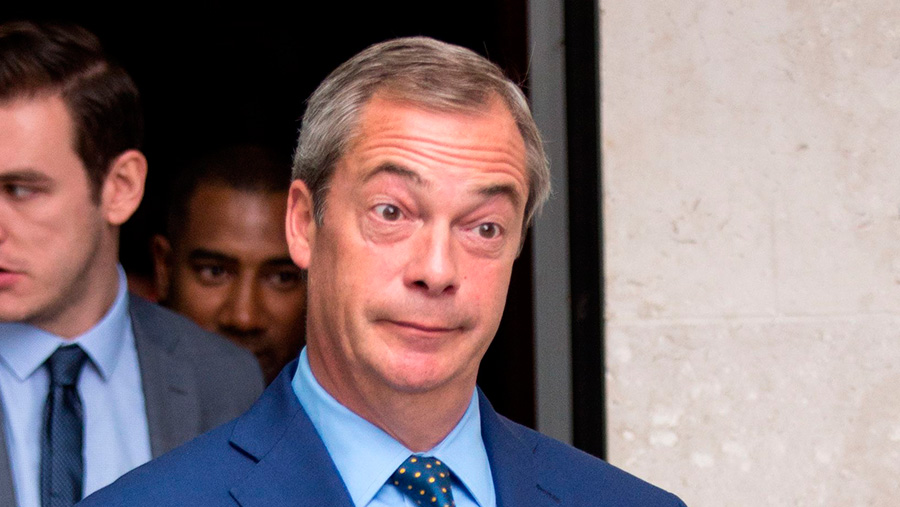
Perhaps the most striking aspect of Thomas Farage’s story is his unwavering commitment to privacy in an era dominated by social media and personal branding. He does not engage with social media, nor does he maintain any public career profiles, a choice that underscores his privacy preference. This is particularly remarkable given that his father has remained one of Britain’s most visible political figures, regularly appearing on television, radio, and social media platforms with millions of followers.
While his surname inevitably attracts curiosity, Thomas has built a career outside the political sphere, focusing instead on the fast-paced world of London finance. This deliberate separation from his father’s political image reveals a man intent on standing on his own merit—focused on his work rather than public attention. It’s a choice that Thomas Farage not every child of a famous parent makes, and it speaks to Thomas’s character and values.
The contrast between father and son could hardly be more pronounced. Where Nigel thrives on public debate, media appearances, and political controversy, Thomas embodies discretion, professionalism, and restraint. This divergence doesn’t suggest conflict or distance—rather, it demonstrates the different ways individuals can define success and fulfillment, even within the same family.
The 2013 Incident: A Rare Public Moment
No examination of Thomas Farage’s life would be complete without acknowledging the one incident that briefly thrust him into public view. In 2013 or 2014, he was given a police caution for being drunk and disorderly during a night out in the City of London. The story, while minor by most standards, became newsworthy primarily because of his famous surname.
His entry into the finance sector as a city trader aligns with the traditional path followed by many in similar social circles, and his brief legal incident did not appear to disrupt his career significantly. He has not made headlines since, which suggests both that he learned from the experience and that he has successfully maintained the low Thomas Farage profile he clearly desires. For many young professionals working in London’s demanding financial sector, such youthful mistakes are not uncommon—what’s unusual is having them reported in national media due to family connections.
Family Dynamics and the Farage Legacy
Understanding Thomas Farage requires understanding his place within the broader Farage family structure. Thomas has siblings including his brother Samuel and two half-sisters, Victoria and Isabelle, from Nigel’s second marriage. Samuel, like Thomas, has also pursued a career in finance, reportedly working in investment and later developing interests in property and consultancy. The brothers share not just a profession but also an approach to public life—choosing professional achievement over celebrity.
Nigel Farage has openly admitted that his political career often kept him away from his children, something he has expressed regret over in later interviews. For Thomas, this meant that much of his upbringing occurred under the care of his mother within a family environment that sought normalcy despite the turbulence of political life. The father-son dynamic appears to be shaped by both love and distance—distance not only in Thomas Farage political ideology but also in lifestyle choices and public visibility.
Despite these differences, there’s no evidence of serious conflict or estrangement. Nigel has occasionally referenced his children in interviews, typically expressing pride while respecting their privacy. Thomas, for his part, has never publicly criticized or distanced himself from his father, instead simply choosing his own path. This quiet mutual respect suggests a mature family relationship that accepts and celebrates individual choices rather than demanding conformity to a family “brand.”
Professional Independence and Personal Identity
By choosing finance rather than politics, Thomas has built a life defined by personal expertise rather than public opinion. This distinction is crucial to understanding his influence and legacy. While he may not have the public platform or name recognition of his father, Thomas represents something equally valuable in modern British society—the possibility of forging your own identity despite overwhelming family legacy.
In the financial sector, reputation is built on performance, not personality. Clients and colleagues care about results, market insights, and reliability—not family connections or media presence. This environment has allowed Thomas to develop a professional identity entirely separate from his father’s political career. He’s known in his circles not as “Nigel Farage’s son” but as a competent trader who understands markets and can perform under pressure.
This professional independence extends to his personal life as well. Thomas has managed to maintain relationships, pursue interests, and build a life that remains almost entirely hidden from public view. In an age where even minor celebrities share every detail of their lives online, this level of privacy requires both discipline and intentionality. It suggests a person who values genuine experiences and relationships over validation from strangers.
The Broader Significance: Redefining Legacy
Thomas Farage’s story raises important questions about legacy, identity, and choice in modern Britain. What does it mean to be the child of a famous parent? Are you obligated to follow in their footsteps or to publicly define yourself in opposition to them? Or can you simply choose a different path entirely and let your work speak for itself?
The father–son dynamic is shaped by both love and distance—distance not only in political ideology but also in lifestyle choices. This relationship model offers a healthy alternative to the extremes often seen in political families, where children either become carbon copies of their parents or wage public battles against their legacy.
The influence Thomas Farage wields may not be measured in votes, media appearances, or public speeches. Instead, it’s reflected in the example he sets—that it’s possible to maintain integrity, build a successful career, and live a fulfilling life without courting publicity or trading on a famous name. In a society increasingly obsessed with personal branding and social media influence, this approach feels almost countercultural.
Career Evolution and Future Prospects
Looking ahead, Thomas Farage’s story is still being written. As a professional in finance, his career may evolve in multiple directions, from trading to management or even entrepreneurship. The skills developed in trading—risk assessment, strategic thinking, rapid decision-making, and emotional control—are highly transferable to other business ventures and leadership roles.
What seems certain is that whatever direction Thomas chooses, it will be guided by his own interests and values rather than external expectations or family pressure. The financial sector offers numerous pathways for experienced traders, including portfolio management, hedge fund operations, financial consulting, or entrepreneurial ventures. Some traders eventually move into teaching or mentoring roles, sharing their expertise with the next generation. Others transition into related fields like risk management or corporate finance.
For Thomas, the advantage is that he’s built genuine expertise and a professional reputation independent of his surname. This gives him options that many children of famous parents never develop, having relied too heavily on family connections rather than building their own capabilities.
Life Beyond the Headlines
While Nigel Farage continues to make headlines as a Member of Parliament for Clacton and leader of Reform UK, Thomas remains focused on his work in the City. This parallel existence—father in the political spotlight, son in professional obscurity—perfectly encapsulates their different approaches to life and success.
Thomas has largely chosen to keep his personal life out of the media, and there is little publicly available information about his relationships or day-to-day activities. This isn’t secrecy for its own sake or an attempt to hide anything scandalous—it’s simply a preference for normal life. Thomas apparently believes that not everything needs to be shared, documented, or turned into content. His personal relationships, hobbies, weekend activities, and private thoughts remain exactly that—private.
This choice becomes more impressive when you consider the constant temptations and opportunities available to someone with his family connections. Media outlets would likely be interested in interviews, opinion pieces, or reality television appearances. Political parties might welcome his involvement or endorsement. Yet Thomas has consistently declined these opportunities, staying true to his preference for a private, professional existence.
Lessons from the Thomas Farage Story
What can we learn from Thomas Farage’s approach to life and career? First, that family legacy doesn’t have to define your path. You can honor your family while charting your own course, neither rejecting your background nor being imprisoned by it. Second, that privacy is still possible in the digital age, but it requires discipline and consistent choices that prioritize substance over visibility.
Third, that professional competence and personal integrity can be their own rewards. Not everyone needs to be famous, influential in the traditional sense, or constantly visible to live a meaningful and successful life. Thomas demonstrates that you can make significant contributions in your field, earn respect from peers, and build a fulfilling life without ever seeking the spotlight.
For many observers, the contrast between father and son is telling. While Nigel thrives on confrontation and public debate, Thomas embodies discretion, professionalism, and restraint. Neither approach is inherently better—they simply represent different values and different definitions of success. The important thing is that both men appear to have found paths that suit their personalities and priorities.
The Quiet Influence of a Private Life
When we talk about Thomas Farage’s “influence,” we need to redefine what influence means. His impact isn’t measured in followers, votes, or media mentions. Instead, it’s seen in the example he provides of living authentically according to your own values, the professionalism he brings to his work each day, and the possibility he represents for others in similar situations.
For other children of famous parents, Thomas’s story offers a roadmap. You don’t have to become a public figure to prove your worth. You don’t have to publicly agree with or rebel against your parents’ views to establish your identity. You can simply choose your own path, work hard, maintain your privacy, and let your professional achievements speak for themselves.
For young professionals in finance and other demanding fields, Thomas represents the value of focus and discipline. Success in trading isn’t about showmanship or personality—it’s about skill, preparation, and consistency. By keeping his personal life separate from his professional work, Thomas has likely been able to maintain the mental clarity and emotional balance necessary for long-term success in a high-pressure field.
Thomas Farage’s Legacy: A Work in Progress
Thomas Farage is more than just Nigel Farage’s son. He represents an alternative path, one that values professional achievement over political notoriety. His legacy, still being written, will likely be defined not by public accomplishments or media presence but by the quiet dignity of a life lived on his own terms.
In an age of personal brands and social media influence, Thomas Farage offers something refreshingly different—proof that you can be successful, influential in your sphere, and fulfilled without sharing every moment with the world. His story reminds us that not all meaningful lives are lived in public, and that sometimes the most impressive achievement is simply being yourself, even when that self is deliberately private.
The untold story of Thomas Farage isn’t one of dramatic rises or public controversies. It’s a story about choice—choosing professionalism over publicity, expertise over celebrity, privacy over influence. It’s about building a life and career that reflect your values rather than meeting others’ expectations. And perhaps most importantly, it’s about proving that you can have a famous surname without letting it define who you are or dictate how you live.
As Thomas continues his career in London’s financial sector, away from cameras and headlines, he does so on his own terms. That, ultimately, may be his greatest achievement—and his most enduring legacy.