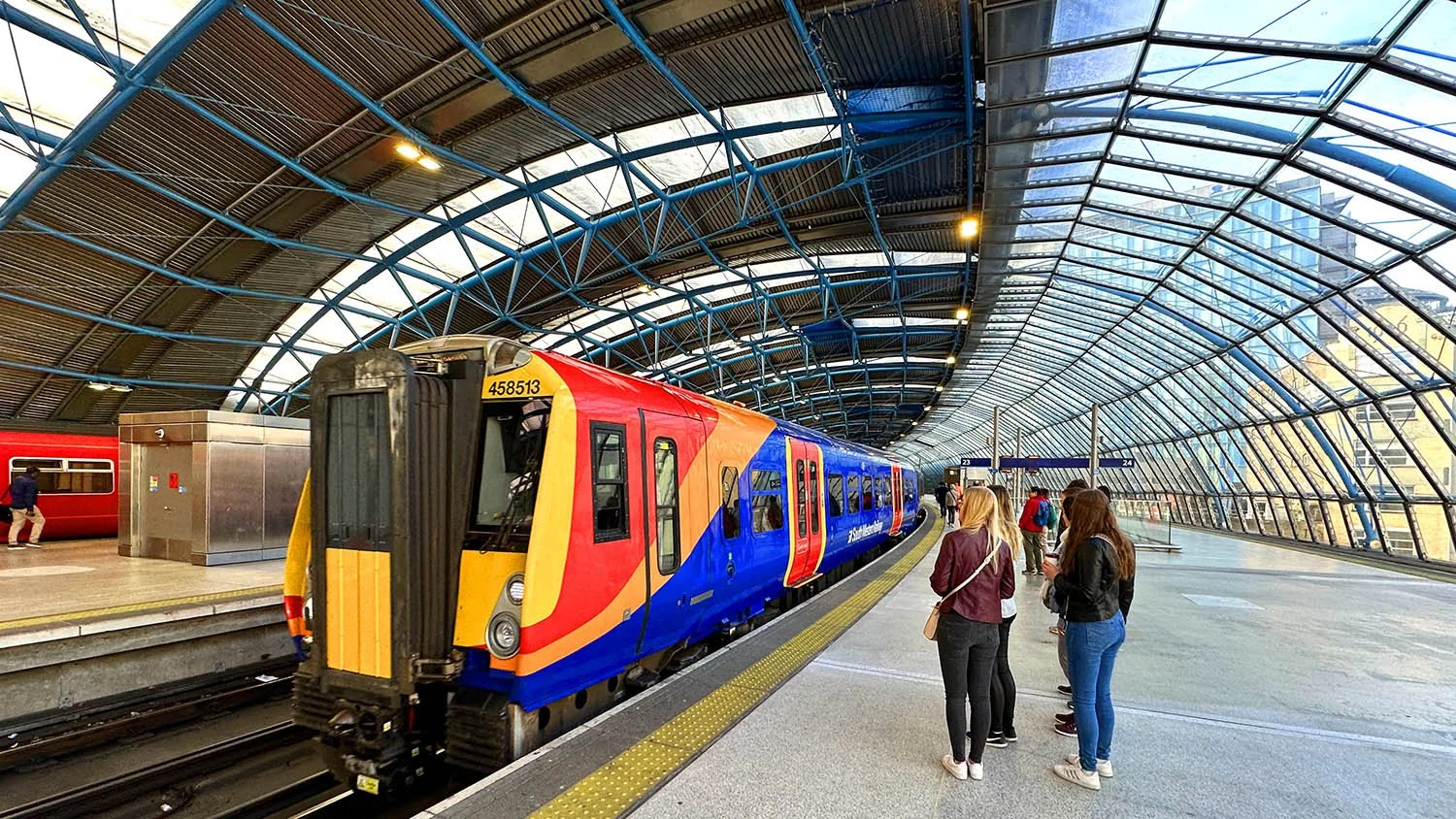
Britain’s rail network can take you from city centre to city centre faster and more comfortably than driving, but ticket prices are famously confusing. Two people on the same train, in neighbouring seats, can pay wildly different fares for the same journey. The good news is that this complexity works in your favour once you understand it.
This guide covers the most effective and completely legal ways to pay less for UK train travel, whether you commute occasionally, visit family at weekends or are planning a longer trip around the country.
Understand the Main Ticket Types
Before looking at discounts, it helps to know what you are actually buying.
Anytime Tickets
Anytime tickets let you travel on any train, at any time, on the date or dates shown. They are flexible and expensive, and on busy routes can cost several times more than other options.
Off Peak and Super Off Peak Tickets
These are valid outside the busiest commuting hours. Exact times vary by route and train company, so always check the restrictions shown when you buy. For many leisure journeys, an off peak ticket is significantly cheaper than an anytime fare and still offers reasonable flexibility.
Advance Tickets
Advance tickets are tied to a specific train and are usually the cheapest option on longer journeys. They are released in limited quantities, often up to around 12 weeks before travel, and the cheapest ones sell out first. If your plans are fixed, advance tickets almost always offer the best value.
Get a Railcard
A railcard is the single most reliable way to save money. Most railcards give one third off most fares, and many pay for themselves within one or two journeys. They typically cost around £30 to £35 a year, with some offering three year options.
Railcards Worth Knowing
- 16 to 25 Railcard: for younger travellers, and also available to full time students over 25.
- 26 to 30 Railcard: a digital railcard for those in their late twenties.
- Senior Railcard: for anyone aged 60 or over.
- Two Together Railcard: for two named adults who travel together.
- Family and Friends Railcard: discounts for up to four adults, with even bigger savings on children’s fares.
- Disabled Persons Railcard: discounts for the cardholder and a companion.
- Network Railcard: covers off peak travel across London and the South East.
- Veterans Railcard: for those who have served in the armed forces.
Most railcards have some time restrictions, such as minimum fares or exclusions during the morning peak on weekdays. Check the conditions for your card before relying on it for commuting.
Keep It With You
If you buy a discounted ticket, you must carry a valid railcard when you travel. Forgetting it can lead to paying a full fare or a penalty, so keep a digital railcard on your phone if available.
Try Split Ticketing
Split ticketing means buying two or more tickets that together cover your journey, instead of one through ticket. Because UK fares are set in complex ways, the combined price of shorter tickets can be cheaper than one ticket for the whole route.
How It Works
Suppose you travel from Station A to Station C, and your train stops at Station B. A ticket from A to B plus a ticket from B to C may cost less than a direct ticket from A to C. You stay on the same train the whole way.
The One Rule
Split ticketing is legal under the National Rail Conditions of Travel, as long as your train actually calls at the stations where your tickets split. You do not need to get off the train. Several apps and websites search for split ticket savings automatically.
Be Flexible With Time and Route
Avoid the Peaks
Travelling just after the morning peak or before the evening rush can make a significant difference to the price. Even shifting your departure by 30 minutes can unlock cheaper fares.
Compare Routes
Some destinations are served by more than one train company or route. A slightly slower journey with a different operator may be much cheaper. Journey planners usually show alternative routes if you choose options such as “slower but cheaper” or adjust the route settings.
Consider Weekends and Midweek
Fares on certain routes are lower on less busy days. Tuesday, Wednesday and Thursday off peak travel is often good value, and weekend travel can bring additional offers such as cheap upgrades to first class on some routes.
Use Contactless and Season Tickets Wisely
Pay As You Go in Cities
In London and some other urban areas, contactless payment and smartcards automatically cap daily and weekly fares. If you make several journeys in a day, this can be cheaper than buying individual tickets.
Season and Flexi Tickets
Regular commuters should compare weekly, monthly and annual season tickets with flexible season tickets designed for part time travel. If you only travel to the office two or three days a week, a flexible option may work out cheaper than a traditional season ticket.
Claim Compensation With Delay Repay
Many people never claim money they are owed. Under Delay Repay schemes, you can claim compensation if your train arrives late, often starting from delays of 15 or 30 minutes depending on the operator. The amount increases with the length of the delay, and for long delays you can receive the full cost of your ticket back.
How to Claim
Keep your ticket or booking confirmation, note the scheduled and actual arrival times and submit a claim through the train company’s website or app within the deadline, usually 28 days. Some operators and apps now offer automatic claim reminders.
Book Smartly
- Sign up for fare alerts to know when advance tickets go on sale for your route.
- Compare retailers. Train company websites usually sell tickets without booking fees, while some third party apps add charges but offer useful tools such as split ticket search.
- Check group discounts. Some operators offer reductions for groups of three or more adults travelling together.
- Look at coach alternatives for long distances if price matters more than time.
Final Thoughts
UK train fares reward people who plan. Buying a railcard, booking advance tickets on fixed journeys, trying split ticketing, avoiding peak times and always claiming Delay Repay can together cut your travel costs dramatically. None of these tricks require loopholes or risk. They simply use the fare system the way it was designed, and the savings add up quickly over a year of journeys.