When loyal Mary Nightingale Voice Change began noticing something different about Mary Nightingale’s voice in the early 2000s, speculation ran wild. The beloved British newsreader, known for her calm composure and crystal-clear delivery, was suddenly experiencing vocal issues during live broadcasts. What started as subtle changes eventually became impossible to ignore, sparking concerns among fans who feared the worst. But the truth Mary Nightingale Voice Change behind Mary Nightingale’s voice change is both more common and more inspiring than many people realize.
Who is Mary Nightingale and Why Does Her Voice Matter?
Mary Nightingale has been a cornerstone of British television journalism for decades. Born on May 26, 1963, she built her career through dedication, professionalism, and an unmistakable on-screen presence. After starting in travel and sports programming, including the popular Ski Sunday show, she transitioned to hard news and became one of ITV’s most trusted faces. Her voice isn’t just a tool for communication—it’s her professional identity, her Mary Nightingale Voice Change livelihood, and what millions of viewers rely on every evening.
For someone in broadcasting, losing control of your voice is like a surgeon losing dexterity in their hands. It’s not merely inconvenient; it’s career-threatening. This makes understanding what happened to Mary Nightingale’s voice all the more Mary Nightingale Voice Change important, especially for anyone who depends on their vocal abilities professionally.
The First Signs: When Viewers Started to Notice
Around the early 2000s, regular ITV viewers began detecting subtle differences in Mary’s broadcasts. Her voice would occasionally sound strained, raspy, or weak. Sometimes she struggled to project clearly, and her tone would crack or fade unexpectedly during live segments. What made these moments particularly concerning was their Mary Nightingale Voice Change unpredictability—Mary never knew when her voice might fail her.
The situation escalated over approximately 15 months. There were occasions when her voice would simply break up mid-sentence, leaving her visibly struggling to maintain her professional composure. The most alarming incident occurred when she had to miss a lunchtime bulletin entirely because she physically couldn’t speak. For someone who had just been named Newscaster of the Year, this was devastating both Mary Nightingale Voice Change personally and professionally.
The Medical Investigation: Ruling Out the Worst-Case Scenarios
As her symptoms persisted, Mary underwent extensive medical testing. Given the nature of her vocal problems, doctors had to explore every possibility, including the most frightening one: throat cancer. For over a year, she navigated this terrifying uncertainty largely in private, undergoing scans, examinations, and consultations Mary Nightingale Voice Change with various specialists.
The good news came when tests definitively ruled out cancer and other serious medical conditions affecting her vocal cords. However, this didn’t immediately solve the mystery. If there was no physical pathology, what was causing such dramatic vocal deterioration? The answer would eventually point to something many modern professionals can relate to: the invisible toll of stress and inadequate vocal technique.
The Real Diagnosis: Stress-Induced Vocal Strain
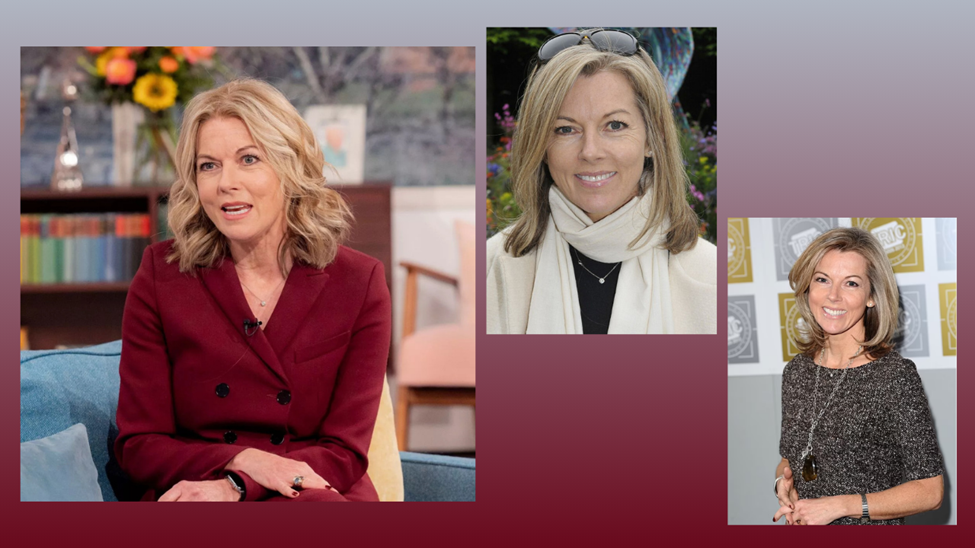
After eliminating serious medical Mary Nightingale Voice Change conditions, doctors diagnosed Mary with stress-induced vocal strain. Years of live broadcasting, often covering emotionally charged stories and major national events, had taken a cumulative toll on her voice. The constant pressure of live television, where there’s no room for error and no opportunity for retakes, created an environment where her vocal health gradually Mary Nightingale Voice Change deteriorated.
What made the situation worse was that Mary, like many broadcasters at the time, hadn’t been trained in proper vocal support techniques. She was essentially using her voice at maximum capacity day after day without the fundamental skills that professional singers and stage actors learn early in their training. Combined with the emotional stress of her high-profile role, her larynx was literally being “strangled” by tension, making it increasingly Mary Nightingale Voice Change difficult to produce sound reliably.
The Recovery Process: Learning from Opera Singers
Mary’s path to recovery didn’t involve medication or surgery—it required a complete overhaul of how she used her voice. She began working intensively with vocal coaches and speech therapists who typically work with opera singers and theatrical performers. These specialists taught her fundamental techniques that might seem basic but are Mary Nightingale Voice Change revolutionary for someone who’s been speaking incorrectly for years.
The training focused on several key areas: proper breathing from the diaphragm rather than shallow chest breathing, maintaining correct posture to allow optimal airflow, learning where sound should originate from in the body, and developing better breath control during speech. These weren’t quick fixes but required consistent practice and patience. Mary also had to learn vocal warm-up exercises, similar to what athletes do before physical Mary Nightingale Voice Change activity, to prepare her voice for the demands of broadcasting.
Lifestyle Changes That Made a Difference
Beyond technique, Mary implemented significant lifestyle adjustments to support her vocal recovery. Hydration became absolutely critical—she began drinking plenty of water before, during, and after broadcasts, often keeping a glass within reach on set. This simple practice helps keep vocal cords lubricated and functioning optimally.
She also had to reduce or eliminate caffeine, which can be dehydrating and increase vocal tension. Vocal rest between broadcasts became non-negotiable, meaning she couldn’t engage in excessive talking during her downtime. ITV Mary Nightingale Voice Change supported these changes by adjusting her schedule when necessary and making accommodations that allowed her to recover without compromising the quality of their news coverage. Additionally, Mary learned to avoid smoky environments and practiced what’s known as “vocal hygiene”—protecting her voice as carefully as an athlete protects their body.
The Mind-Body Connection: Stress Management
One of the most important revelations in Mary’s recovery was understanding the profound connection between mental stress and physical symptoms. Experts noted that anxiety about her vocal problems was actually making them worse—creating a vicious cycle where worry caused tension, which worsened her voice, which increased her Mary Nightingale Voice Change anxiety.
Breaking this cycle required addressing the psychological component alongside the physical rehabilitation. Mary incorporated stress management techniques, mindfulness practices, and made conscious efforts to reduce overall anxiety. She learned that when she worried about her voice failing, her body tensed up, which directly impacted her ability to produce sound. By managing her mental state, she could better control her Mary Nightingale Voice Change physical symptoms—a lesson that resonates far beyond the broadcasting studio.
The Public’s Reaction and Support
When news of Mary Nightingale’s voice struggles eventually became public, the response was overwhelmingly supportive. Viewers who had noticed the changes expressed relief that she was addressing the problem and admiration for her determination to continue working. The broadcasting community also rallied Mary Nightingale Voice Change around her, with many professionals sharing their own experiences with vocal difficulties.
Social media, forums, and viewer feedback channels filled with messages of encouragement. People appreciated her honesty and vulnerability in dealing with a challenge that could have easily ended her career. Rather than hide from the situation or let it define her, Mary faced it head-on with professionalism and grace, earning even more respect from colleagues and viewers alike.
Why This Happens to Broadcasters
Mary Nightingale’s voice change isn’t an isolated incident in the broadcasting world. Television anchors and radio presenters face unique vocal challenges that many people don’t consider. They must speak clearly and consistently for Mary Nightingale Voice Change extended periods, often under intense pressure with no margin for error. Unlike actors who can take multiple takes, news broadcasters are live—every word matters, and there’s no “undo” button.
The demands include maintaining consistent volume and tone for hours, projecting confidence even during distressing news stories, managing emotional responses while remaining professional, and performing under time constraints and unexpected technical issues. These factors create a perfect storm for vocal strain, especially for those who haven’t received formal voice training. Many broadcasters only discover proper vocal technique after problems develop, rather than learning preventatively.
Long-Term Success and Career Resilience
Mary Nightingale’s story has a triumphant ending. After implementing all the recommended changes and completing her vocal rehabilitation, she made a full recovery. Her voice regained its strength, clarity, and reliability, allowing her to Mary Nightingale Voice Change return to presenting ITV’s flagship news programs with her characteristic poise and professionalism.
As of recent years, she continues to be a central figure at ITV News, with no recurrence of the vocal difficulties that once threatened her career. Her longevity in an incredibly competitive industry—spanning multiple decades—is testament not only to her talent but also to her resilience and willingness to adapt. She occasionally speaks about her experience in interviews, using her platform to raise awareness about vocal health and the Mary Nightingale Voice Change often-invisible pressures faced by people in high-stress professions.
Lessons for Anyone Who Uses Their Voice Professionally
The story of Mary Nightingale’s voice change offers valuable insights for anyone whose career depends on their vocal abilities. Teachers, lawyers, call center workers, public speakers, and countless other professionals face similar risks of vocal strain and fatigue. The key takeaways are universal: recognize warning signs early before minor issues become serious problems, seek professional help from speech therapists or vocal coaches when needed, learn proper breathing and vocal support techniques, manage stress and anxiety that Mary Nightingale Voice Change can manifest physically, and practice “vocal hygiene” through hydration and rest.
Mary’s experience also highlights the importance of workplace support. ITV’s willingness to accommodate her recovery needs—adjusting schedules, providing resources, and maintaining patience during her rehabilitation—played a crucial role in her successful return to broadcasting. Organizations that value their employees should recognize that supporting health challenges, especially those that affect job performance, benefits Mary Nightingale Voice Change everyone in the long run.
The Bigger Picture: Voice as Identity
For Mary Nightingale, recovering her voice meant recovering her professional identity and her means of connecting with millions of viewers. But her story resonates on a deeper level—it reminds us that our voices are intimately connected to who we are. How we sound affects how others perceive us and how we perceive ourselves.
When vocal problems arise, they can shake our confidence and make us question our abilities. Mary’s journey shows that these challenges, while serious, are often manageable with the right approach, professional guidance, and personal commitment. Her refusal to let the condition define or defeat her demonstrates the kind of quiet strength that isn’t always celebrated in our age of instant revelation and oversharing.
Continuing Advocacy and Modern Challenges
In recent years, Mary has faced additional challenges related to her voice—not from her own health, but from technology. She’s become an advocate for awareness around AI-generated voice content after instances of her voice being misused in deepfakes and unauthorized audio. This modern issue further demonstrates how valuable and vulnerable a public figure’s voice can be in the digital age.
Her willingness to speak out about both her health struggles and these technological concerns shows her evolution from simply being a newsreader to being a voice for trust, integrity, and resilience in media. She continues to balance public responsibility with personal privacy, sharing what can help others while maintaining appropriate boundaries.
Conclusion: A Voice Restored, A Career Strengthened
Mary Nightingale’s voice change was ultimately caused by stress-induced vocal strain—a condition that threatened her career but didn’t destroy it. Through medical investigation that ruled out serious illness, comprehensive vocal rehabilitation with specialist coaches, significant lifestyle adjustments focusing on vocal health, stress management and mental wellness practices, and strong workplace support from ITV, she achieved a complete recovery.
Her story serves as both a cautionary tale and an inspiration. It warns of the dangers of neglecting vocal health in demanding professions while demonstrating that with proper care, professional guidance, and personal determination, full recovery is possible. Today, Mary Nightingale remains one of British television’s most respected and recognizable voices—quite literally. Her experience has made her stronger, wiser, and more aware of the precious instrument she uses every day to inform and connect with audiences across the United Kingdom.
For viewers who worried about their beloved newsreader, the transformation has a happy ending. For professionals facing similar challenges, it offers hope and a roadmap. And for Mary herself, it represents a triumph of resilience over adversity—proof that sometimes our greatest challenges can become our most valuable lessons.