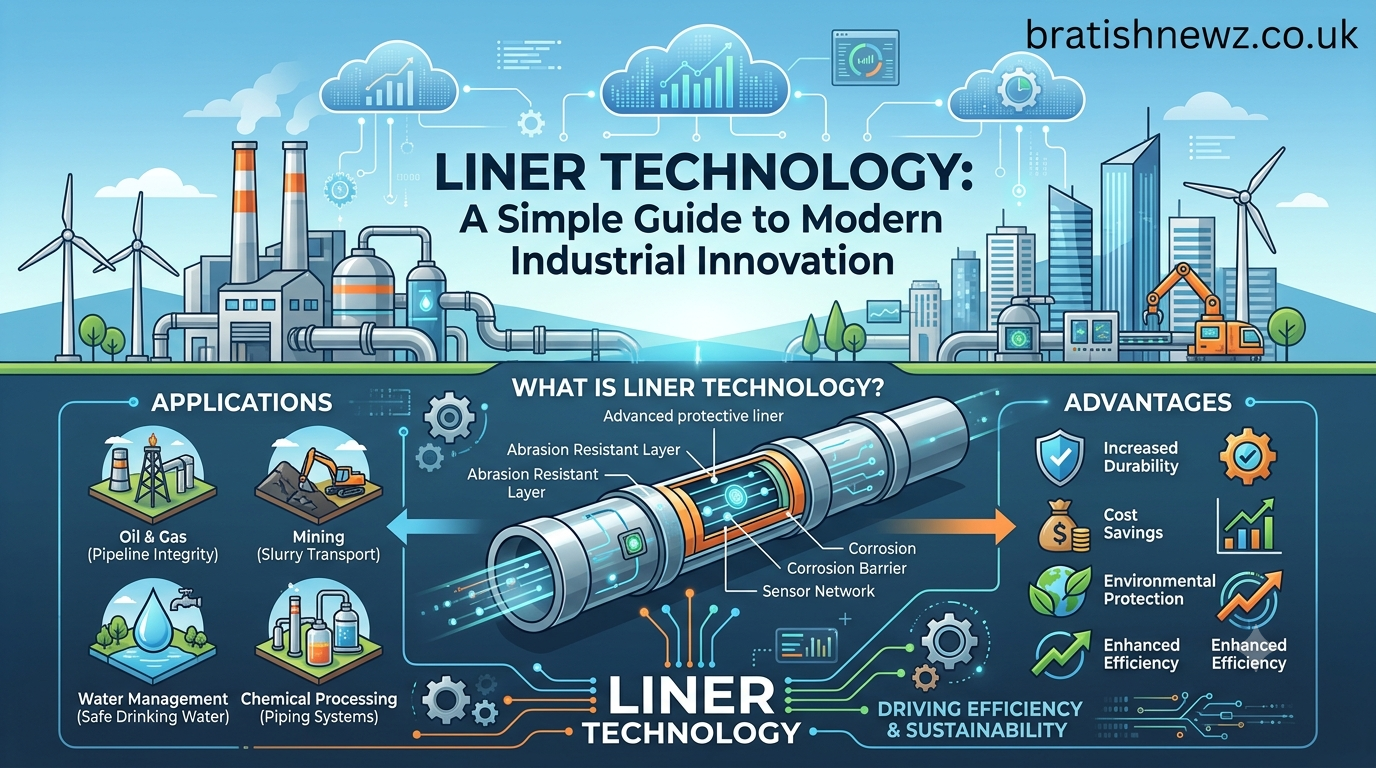
Liner technology is a modern method used to protect surfaces, containers, and systems from damage. It helps increase strength, safety, and durability in many industries. You will find liner technology in packaging, construction, water systems, and even oil pipelines. It works like a protective shield that prevents leaks, rust, and wear. Many companies now depend on liner technology to reduce costs and improve product life. In simple words, it makes materials last longer and perform better. Today, liner technology is becoming more important because industries need safe and long-lasting solutions. In this article, we will explore how liner technology works, where it is used, and why it matters in daily life.
What is Liner Technology?
Liner technology is a protective system that adds a special layer inside or outside a surface. This layer protects against heat, corrosion, chemicals, and damage. In simple terms, liner technology acts like a strong shield. It is used in pipes, tanks, packaging materials, and industrial equipment. The main purpose is to improve durability and reduce maintenance needs. Many industries use liner technology because it saves money and increases safety. For example, in water pipelines, it prevents leaks and contamination. In packaging, it protects food and liquids. Overall, liner technology is a smart engineering solution that improves performance and reliability in many sectors.
How Liner Technology Works in Real Life
Liner technology works by adding a special coating or material layer to a surface. This layer sticks tightly and creates protection. It can be made from rubber, plastic, resin, or advanced polymers. Once applied, liner technology blocks harmful elements like moisture, chemicals, and heat. For example, in industrial tanks, it prevents rust and chemical reactions. In pipelines, it ensures smooth flow and avoids leaks. The process of applying liner technology depends on the industry and material used. Some liners are sprayed, while others are fitted or molded. This simple but powerful system helps extend the life of equipment and reduces repair costs significantly.
History and Development of Liner Technology
Liner technology has evolved over many decades. In the early days, simple coatings like tar and paint were used for protection. As industries grew, stronger materials were needed. This led to the development of modern liner technology using polymers and synthetic materials. Over time, engineers improved its durability, flexibility, and resistance. Today, liner technology is highly advanced and used in complex industries like aerospace and oil production. The growth of liner technology shows how innovation solves real-world problems. From basic protection methods to high-tech solutions, it has become a key part of industrial progress and safety systems worldwide.
Types of Liner Technology Used Today
There are several types of liner technology used in different industries. Some common types include rubber liners, plastic liners, ceramic liners, and composite liners. Rubber liners are flexible and used in mining and water systems. Plastic liners are lightweight and common in packaging. Ceramic liners offer strong heat resistance for industrial use. Composite liners combine different materials for better performance. Each type of liner technology is designed for specific conditions. The choice depends on temperature, pressure, and chemical exposure. This variety makes liner technology useful in many industries. It provides tailored solutions for different engineering needs and environments.
Applications of Liner Technology in Industries
Liner technology is used in many industries such as construction, oil and gas, food packaging, and transportation. In construction, it protects building materials from moisture. In oil pipelines, liner technology prevents leaks and corrosion. In food packaging, it keeps products fresh and safe. Even in water treatment plants, liner technology ensures clean and safe storage. This wide range of applications shows how important liner technology has become. It improves safety, reduces waste, and increases efficiency. Without liner technology, many industrial systems would face faster damage and higher maintenance costs.
Benefits of Using Liner Technology
Liner technology offers many benefits. It increases the lifespan of equipment and reduces repair costs. It also improves safety by preventing leaks and contamination. Another major benefit of liner technology is resistance to harsh environments. It can handle heat, chemicals, and pressure easily. Businesses also save money because maintenance becomes less frequent. In addition, liner technology improves performance and efficiency in machines and systems. It is also eco-friendly in many cases because it reduces waste and resource usage. Overall, liner technology is a cost-effective and reliable solution for modern industries.
Liner Technology in Construction and Infrastructure
In construction, liner technology plays a very important role. It is used in tunnels, foundations, and water systems. It protects structures from water damage, soil pressure, and chemical exposure. For example, underground tunnels use liner technology to prevent leaks and collapse. Water tanks also depend on it for safe storage. Builders trust liner technology because it increases strength and durability. It also reduces long-term maintenance costs. In modern infrastructure projects, liner technology is considered essential. Without it, structures would wear out faster and require frequent repairs, increasing overall project costs.
Liner Technology in Packaging Industry
The packaging industry heavily depends on liner technology. It helps protect food, drinks, and chemicals from contamination. For example, beverage cans use liner technology to prevent metal reactions. Food packaging uses it to keep products fresh and safe. It also helps extend shelf life. Companies use liner technology to meet safety standards and customer expectations. It ensures that products remain in good condition during transport and storage. Without liner technology, packaging materials would not be able to provide the same level of protection and reliability.
Environmental Impact of Liner Technology
Liner technology also plays a role in environmental protection. It prevents leaks of harmful chemicals into soil and water. This helps reduce pollution and protect ecosystems. Many modern liner technology systems are designed to be eco-friendly. They reduce waste and improve resource efficiency. For example, industrial liners stop oil spills and chemical leaks. This protects wildlife and natural resources. As industries focus more on sustainability, liner technology is becoming even more important. It supports green practices and helps companies follow environmental regulations more effectively.
Future Trends in Liner Technology
The future of liner technology looks very promising. New materials like smart polymers and nanotechnology are being developed. These will make liner technology even stronger and more efficient. Future systems may also become self-healing, repairing small damages automatically. Industries are also focusing on eco-friendly liner technology solutions. Digital monitoring systems will help track liner performance in real time. This will improve safety and reduce failures. As technology grows, liner technology will continue to evolve and support advanced industries worldwide.
Forbes Connections & Industry Insight Table
Liner technology is widely discussed in business and industry reports. Many top companies featured in global business platforms like Forbes highlight its importance in infrastructure and manufacturing. Below is a simple insight table showing its industrial relevance.
| Category | Application of Liner Technology | Impact |
| Energy Sector | Pipelines and storage tanks | Leak prevention |
| Construction | Foundations and tunnels | Structural safety |
| Packaging | Food and beverage containers | Product protection |
| Manufacturing | Machinery protection | Cost reduction |
This overview shows how liner technology connects with global industries and business growth trends.
Conclusion
Liner technology is a powerful innovation that improves safety, durability, and performance in many industries. From construction to packaging, it plays a key role in protecting materials and systems. It helps reduce costs, prevent damage, and support environmental safety. As technology continues to advance, liner technology will become even more important. Businesses and engineers will rely on it for smarter and more efficient solutions. Understanding liner technology helps us see how modern industries stay strong and sustainable in a changing world.
FAQs About Liner Technology
1. What is liner technology used for?
Liner technology is used to protect surfaces, pipes, and containers from damage, leaks, and corrosion. It improves durability and safety in many industries like construction, packaging, and oil systems. It works as a protective layer that extends the life of materials and reduces maintenance costs.
2. Why is liner technology important?
Liner technology is important because it increases safety and reduces damage in industrial systems. It helps prevent leaks, contamination, and wear. This makes equipment last longer and reduces repair expenses. Many industries rely on it for efficient and reliable operations.
3. What materials are used in liner technology?
Common materials used in liner technology include rubber, plastic, ceramics, and advanced polymers. Each material is chosen based on the environment and purpose. For example, rubber is flexible, while ceramics handle high heat and pressure.
4. Where is liner technology commonly used?
Liner technology is used in pipelines, tanks, packaging, construction sites, and manufacturing plants. It is also widely used in food packaging and water systems to ensure safety and cleanliness.
5. Is liner technology environmentally friendly?
Yes, liner technology can be environmentally friendly. It prevents chemical leaks and reduces pollution. Many modern systems are designed to support sustainability and protect natural resources.
6. What is the future of liner technology?
The future of liner technology includes smarter materials, self-healing systems, and digital monitoring. These innovations will make it more efficient, safe, and widely used across industries.