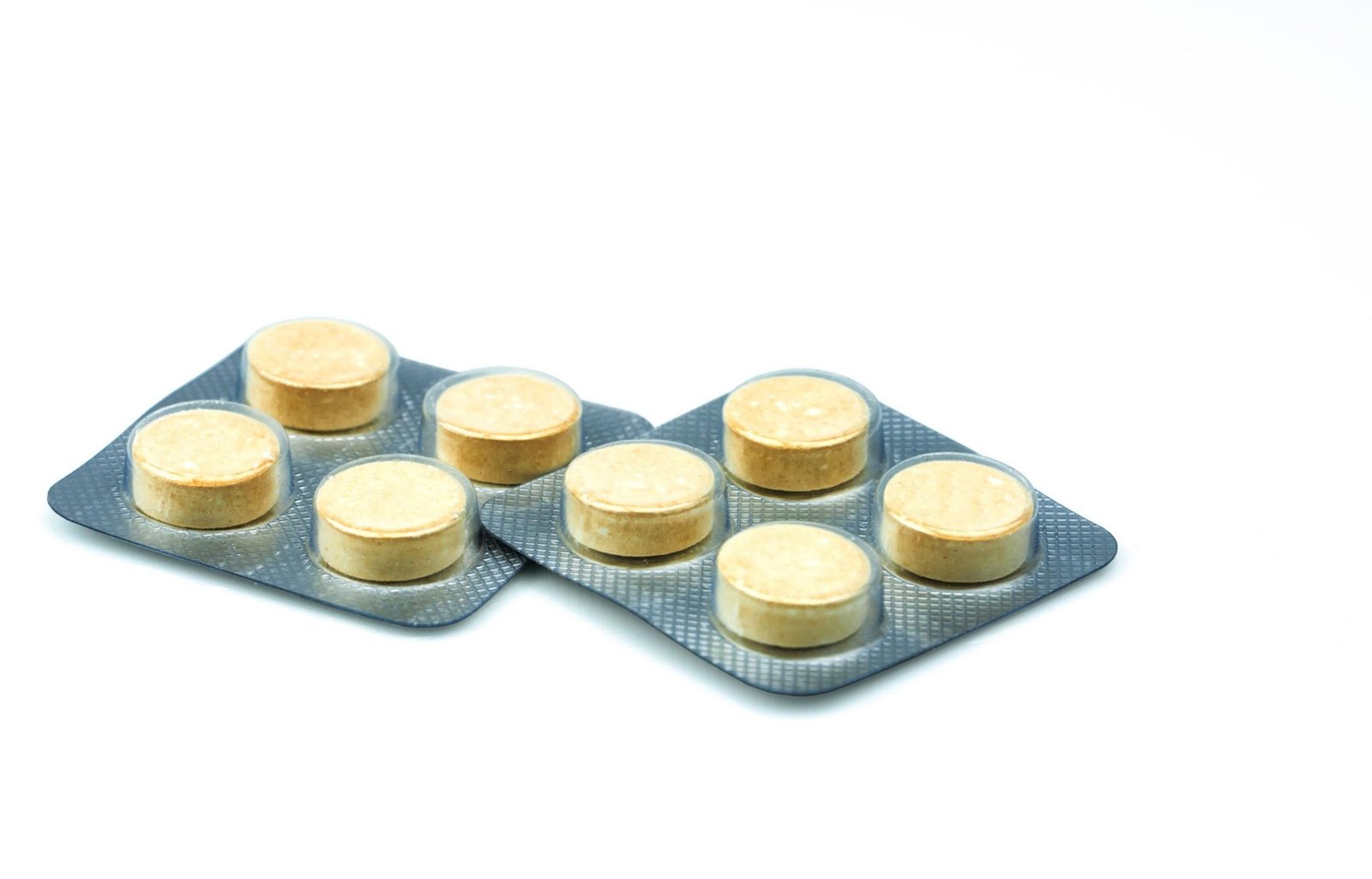

Niclosamide tablets are antiparasitic medications traditionally used for the treatment of tapeworm infections. Over time, niclosamide has attracted additional medical interest because of its broad biological activity and potential applications beyond classic parasitology.
Although originally introduced decades ago, niclosamide remains clinically relevant due to its effectiveness against intestinal cestode infections and its relatively targeted gastrointestinal action.
What Niclosamide Tablets Are Used For
Niclosamide is primarily prescribed for:
- Tapeworm infections (cestodes)
- Taenia infections
- Diphyllobothrium infections
- Hymenolepis nana (dwarf tapeworm) infections
Unlike systemic antiparasitic medications that circulate extensively through the bloodstream, niclosamide acts mainly inside the intestinal tract where the parasites reside.
For a detailed overview of dosage, administration, and product information, see this guide on how Niclesone niclosamide tablets are used for antiparasitic treatment:
niclesone niclosamide tablets usage guide
How Niclosamide Works
Niclosamide works by interfering with the parasite’s energy metabolism.
More specifically, it:
- Inhibits oxidative phosphorylation in parasite mitochondria
- Disrupts ATP production
- Causes paralysis and death of susceptible parasites
Because the medication acts primarily within the gastrointestinal tract, systemic absorption is relatively limited.
This localized mechanism contributes to its long-standing role in intestinal parasite management.
Why Tapeworm Infections Require Proper Treatment
Tapeworm infections may remain asymptomatic for long periods, but some patients develop symptoms such as:
- Abdominal discomfort
- Nausea
- Weight loss
- Weakness
- Digestive disturbances
In some cases, prolonged infection may contribute to nutritional deficiencies or chronic gastrointestinal symptoms.
Proper diagnosis is important because treatment approaches vary depending on:
- Parasite species
- Infection severity
- Geographic exposure history
Administration and Treatment Process


Niclosamide is usually taken orally according to physician instructions.
Typical treatment recommendations may include:
- Taking the medication after light meals
- Chewing tablets thoroughly when required
- Following specific dosing schedules based on infection type
Some treatment protocols may also involve:
- Follow-up stool testing
- Additional hygiene measures
- Monitoring for reinfection risk
Consistency with the prescribed regimen is important for successful parasite elimination.
Potential Side Effects
Niclosamide is generally considered well tolerated when used appropriately.
Possible side effects may include:
- Mild nausea
- Abdominal discomfort
- Diarrhea
- Temporary gastrointestinal irritation
Serious adverse effects are relatively uncommon because systemic absorption is limited.
However, patients should still follow medical guidance carefully during treatment.
Importance of Hygiene and Reinfection Prevention
Successful treatment often depends not only on medication but also on preventing reinfection.
Important preventive measures may include:
- Proper hand hygiene
- Safe food preparation
- Thorough cooking of meat and fish
- Avoiding contaminated water sources
In some environments, untreated household or environmental exposure may contribute to recurrence.
Additional Scientific Interest in Niclosamide
Beyond antiparasitic use, niclosamide has attracted research interest for potential activity involving:
- Cellular signaling pathways
- Viral replication processes
- Metabolic regulation
However, many of these applications remain investigational and are not established standard clinical indications.
Its long-standing medical use has made it an important compound for ongoing pharmacological research.
Clinical Information
For medically reviewed information on niclosamide and antiparasitic therapy, see this clinical overview of niclosamide mechanism and therapeutic use:
niclosamide clinical mechanism and safety overview
Long-Term Outlook After Treatment
Most uncomplicated intestinal tapeworm infections respond well to appropriate treatment.
However, successful long-term management may require:
- Follow-up testing
- Hygiene improvements
- Dietary precautions in endemic regions
Patients experiencing persistent gastrointestinal symptoms after treatment may require further evaluation.
Conclusion
Niclosamide tablets remain an important antiparasitic treatment for tapeworm infections due to their targeted intestinal activity and long clinical history. By disrupting parasite metabolism directly within the gastrointestinal tract, niclosamide helps eliminate susceptible cestode infections while maintaining relatively limited systemic exposure.
When combined with proper hygiene practices and medical supervision, niclosamide therapy can provide effective management of intestinal parasitic infections.